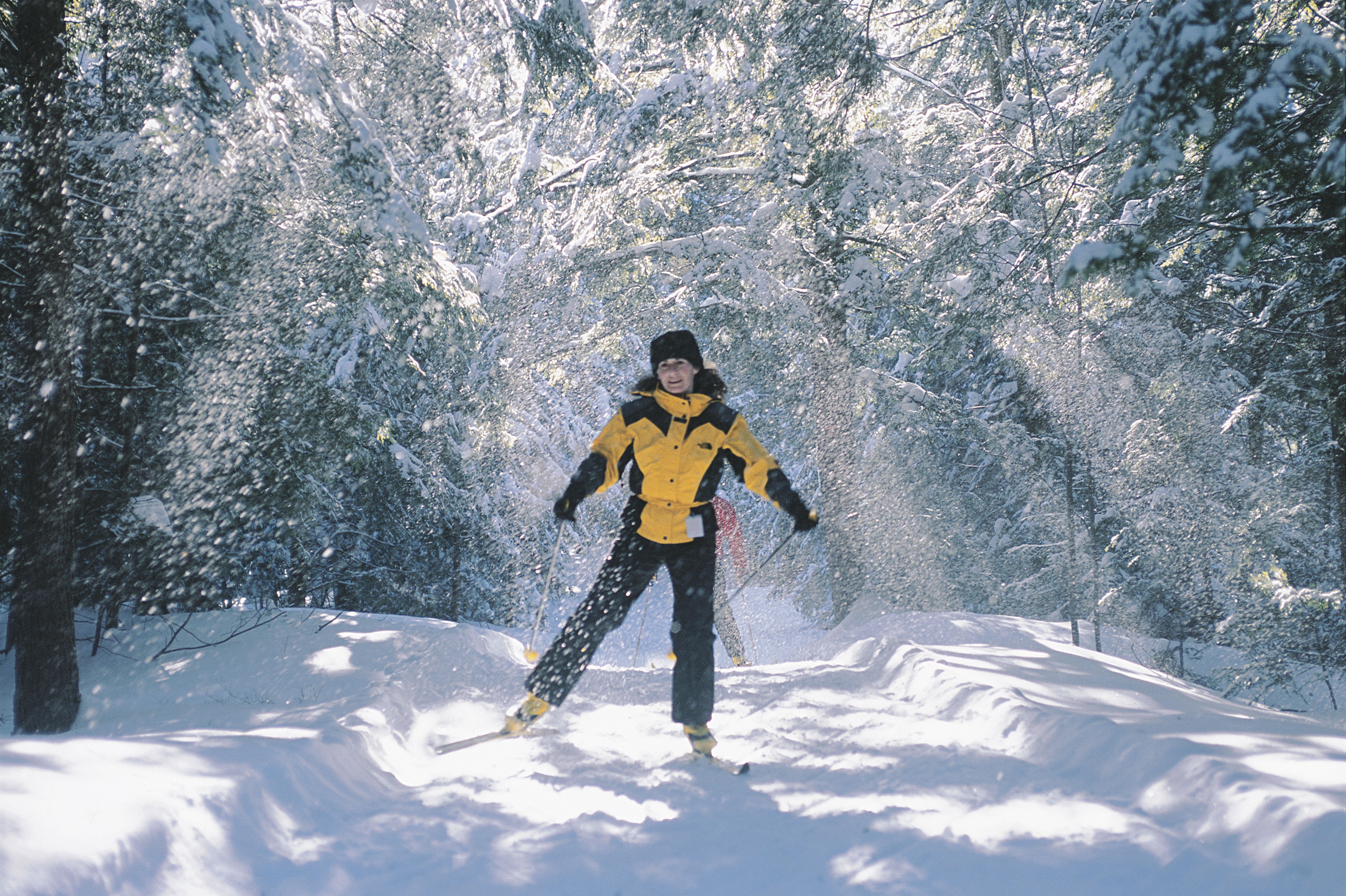
Ontario's Winter Trail Landscape
Cross-country skiing in Ontario is shaped by geography more than calendar dates. The Canadian Shield dominates the central and northern portions of the province, producing rocky, forested terrain with reliable snowfall from late November through March. The Great Lakes moderate temperatures along the southern corridor, creating shorter seasons and variable conditions, while areas east of Lake Huron and north of Lake Superior receive substantial lake-effect snow that extends usable ski windows considerably.
Trail grooming in Ontario is largely organized through regional volunteer associations affiliated with XC Ski Canada and its provincial affiliate, the Ontario Nordic Ski Association. Most networks charge daily trail fees or season passes, with proceeds funding grooming equipment, insurance, and trail maintenance. A number of municipal parks and conservation areas also offer unaffiliated groomed loops, typically shorter and less consistent than association-managed systems.
Haliburton Highlands
The Haliburton Highlands region, roughly two and a half hours north of Toronto, contains some of Ontario's most technically varied groomed terrain. The area sits within the transition zone between the southern farmland and the northern Shield, producing a landscape of mixed hardwood and conifer forest broken by lakes and granite outcrops.
Established trail centres in Haliburton typically offer both classic and skate-groomed lanes on trail widths that accommodate comfortable double-poling. Elevation changes through the region are meaningful by Ontario standards — some trails include descents that require confident snowplow technique at minimum. Trail difficulty ratings follow the standard green, blue, black classification used across Canadian cross-country networks, though individual centres set their own standards.
- Terrain type
- Mixed hardwood and conifer forest, Shield topography
- Grooming style
- Classic track and skate lane, double-width where practical
- Season window
- Late November through late March (variable)
- Access
- Day pass and season pass; some trail centres have heated change facilities
- Difficulty range
- Green to black; significant elevation variance on some circuits
Gatineau Park and the Ottawa Valley
Gatineau Park sits across the provincial border in Quebec, but its proximity to Ottawa makes it the primary destination for a large portion of eastern Ontario skiers. The park is managed by the National Capital Commission, which grooms over 200 kilometres of cross-country trails during winter months, including a dedicated network for classical skiing and separate skate lanes on major corridors.
The Gatineau system is notable for its scale and consistent grooming quality. The Escarpment sector offers genuinely challenging terrain with sustained climbs and descents. The Lac Philippe and Lusk areas are more forgiving, with longer flatter sections suitable for beginners working on stamina rather than technical skills. A day pass is required for all groomed trails; trail conditions are posted on the NCC website and updated following each grooming cycle.

The Highlands Trail Corridor
Running from Haliburton east toward Algonquin Park, the broader Highlands corridor includes several smaller but well-maintained trail centres that attract skiers looking for less crowded alternatives. Algonquin Provincial Park itself maintains a dedicated groomed cross-country system in the West Gate area, separate from its extensive ungroomed backcountry trail network.
Algonquin's groomed trails pass through mature mixed forest with views across frozen lakes, and the park's interior remains accessible to skiers willing to travel further along ungroomed portage routes. Snow conditions in Algonquin tend to be reliable from December onward, as the park's interior location reduces the warming effects of the Great Lakes.
The Niagara Escarpment and Southern Ontario
Cross-country skiing along the Niagara Escarpment operates under more variable conditions than the Shield regions, with snowfall patterns influenced heavily by proximity to Georgian Bay and Lake Erie. Conservation areas along the Escarpment, including those managed by Conservation Halton and the Grey Sauble Conservation Authority, offer groomed loops when conditions permit.
The Blue Mountains area near Collingwood supports a groomed cross-country operation at Highlands Nordic, which grooms up to 55 kilometres of trails on terrain that rises above the Georgian Bay shoreline. Snowmaking infrastructure at some sites extends the season at lower elevations when natural snowfall is insufficient, though cross-country grooming requires a consistent base depth that snowmaking alone cannot guarantee across a full trail network.
Northern Ontario
North of Sudbury and west toward Thunder Bay, cross-country skiing transitions from organized trail systems toward a more expedition-oriented style. The Stokely Creek Lodge near Wawa and similar operations in the Sudbury region groom extensive private trail networks, offering self-sufficient overnight facilities for multi-day ski tours.
Thunder Bay has a long Nordic skiing tradition, with the Lappe Nordic Ski Centre hosting national-level competitions on trails that wind through the boreal forest above the city. The city's Nordic clubs maintain grooming through a season that typically extends well into March, and often into early April in high-snow years.
Planning a Trip in Ontario
Trail fees across Ontario's organized cross-country network range from under twenty dollars for a day pass at smaller centres to forty dollars or more at larger operations with extensive grooming and change facilities. Season passes represent better value for those skiing more than four or five times per winter, and most associations offer family and junior rates.
Equipment rental is available at larger trail centres, though inventory is often limited on peak weekend days. Calling ahead or reserving rental gear online, where offered, prevents uncertainty on arrival. Wax recommendations are typically posted at trailheads or available from trail centre staff — glide wax selection varies significantly across Ontario's temperature range, and grip wax for classic skiers requires adjustment as conditions change through the day.